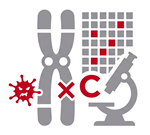

Hereditary Cancer (CGX):
A Carcinogenic (CGx) test identifies specific inheritable gene mutations that may increase an individual's risk of developing or redeveloping cancer.
This test provides insight by analyzing genes and tumor markers, including BRCA1, BRCA2, ATM, COH1, MLH1, HSH2, MSH6, and PTEN.
Pharmacogenetics (PGX):
Pharmacogenetics, a vital field of study, is focused on understanding how genetic variations impact an individual's response to drug therapy. The Bloom pharmacogenetics test delves into your body's drug-metabolizing enzymes, offering valuable insights into the effectiveness, potential harm, and lesser usefulness of various medications.
Parkinson's-Alzheimer's-Dementia (PAD):
Individuals with a personal or family history of Parkinson’s, Alzheimer's disease, and dementia should be aware of warning signs associated with these conditions. These indicators include, but are not limited to, abnormal brain imaging, motor control difficulties, memory loss impacting daily life, mood, and personality changes, difficulty with communication and familiar tasks, and temporal or spatial confusion.
Diabetes-Obesity:
Patients exhibiting signs of monogenic diabetes and obesity-related disorders, whether independently or as features of a genetic syndrome, may benefit from genetic testing. If a pathogenic variant is identified in a patient, close relatives (children, siblings, and parents) could be up to 50% more likely to face increased risks.
Genetic Counseling:
Individuals with a personal or family history of Parkinson’s, Alzheimer's disease, and dementia should be aware of warning signs associated with these conditions. These indicators include, but are not limited to, abnormal brain imaging, motor control difficulties, memory loss impacting daily life, mood, and personality changes, difficulty with communication and familiar tasks, and temporal or spatial confusion.
The Amgenes difference
Amgenes offers comprehensive genetic testing from whole exome sequencing and whole genome sequencing to targeted panels, delivering rapid, precise answers for rare and complex conditions.

Precise
* The largest rare disease dataset
* Unmatched insights across ~20,000 genes
* Diagnostic yield 17% greater than standard testing5

Fast
* Results within days or weeks
* Simple cheek swab accepted for most tests
* At-home sample collection available

Actionable
* Industry-leading classification guides action
* Clearly written report with genetic counselors available
* 60% of individuals that receive a diagnosis from genomic sequencing experience a change in medical management6