Reproductive Genetics
Home - Reproductive Genetics
Introduction to Reproductive Genetics
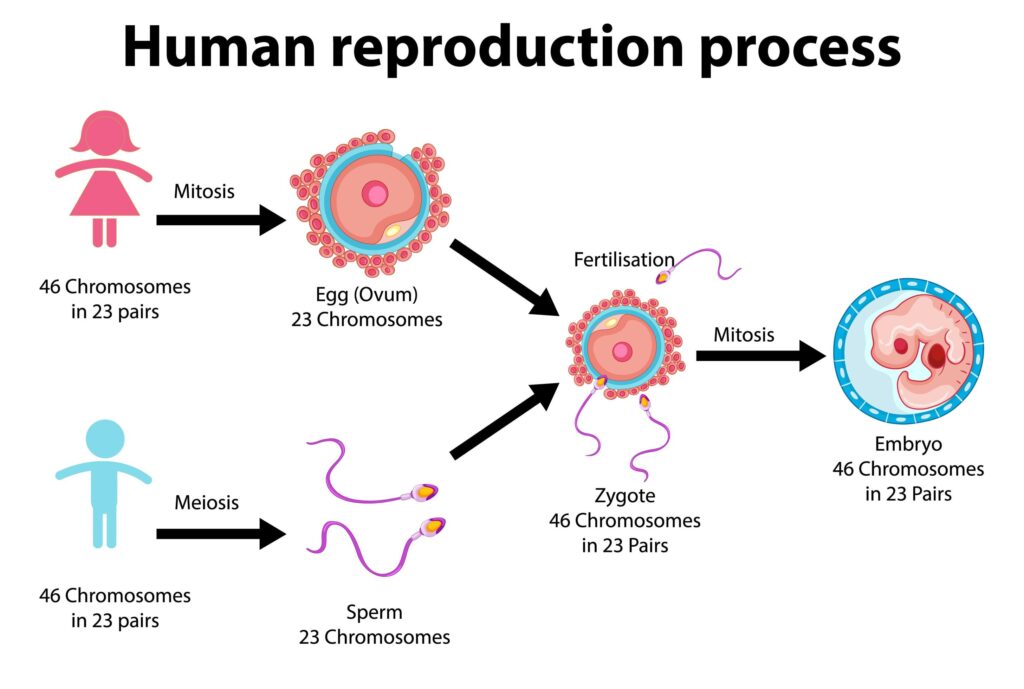
Reproductive genetics is a rapidly evolving field that explores the complex interplay between genetic factors and reproductive physiology. It encompasses the study of genetic mechanisms underlying fertility, pregnancy outcomes, and reproductive disorders. Understanding reproductive genetics is crucial for developing effective diagnostic and therapeutic strategies for individuals experiencing reproductive challenges.
Definition and Scope of Reproductive Genetics
Reproductive genetics is an interdisciplinary field that combines principles from genetics, reproductive biology, and medicine to investigate the genetic basis of reproductive processes. The scope of reproductive genetics includes:
- Investigating genetic factors influencing fertility and pregnancy outcomes
- Identifying genetic mutations associated with reproductive disorders
- Developing genetic testing and counseling for individuals with reproductive concerns
- Exploring the role of epigenetics in reproductive biology
Importance of Reproductive Genetics in Reproductive Physiology
Reproductive genetics plays a vital role in understanding the underlying causes of reproductive disorders and developing effective treatments. Genetic factors contribute significantly to fertility and pregnancy outcomes, and understanding these factors can help clinicians provide personalized care to individuals experiencing reproductive challenges.